

What is `body mapping’ method employed for study on India’s acid attack survivors
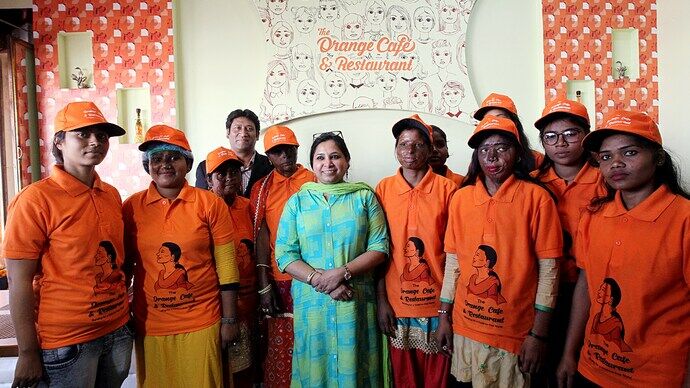
New Delhi: A groundbreaking study by The George Institute for Global Health India and Chhanv Foundation has provided an intimate look into the lives of acid attack survivors.
The study has underscored the need for long-term rehabilitation, not just emergency care.
The findings come at a critical time. While the physical wounds of an acid attack are immediate, the societal “scars” of stigma and rejection can be just as disabling for survivors.
Despite legal regulations, acid attacks remain a persistent form of gender-based violence in India. While the National Crime Records Bureau reported 207 attacks in 2023, experts believe the true figure exceeds 1,000 annually, as many go unreported due to fear of retaliation and social shame.
A Novel Research Approach
The study, conducted in Noida between late 2023 and early 2024, utilized a unique, arts-based method known as “body mapping”.
Eight women survivors sketched and annotated life-sized outlines of their bodies to express complex emotions, memories, and physical pain.
This approach is particularly empowering for those who find it difficult to verbalize trauma due to communication barriers or limited literacy.
Stigma
The research paints a sobering picture of life after an attack. Beyond the physical disfigurement, survivors face a “second assault” from society.
Many participants reported mental and physical abuse even within their own families, alongside widespread social rejection.
Appearance-based discrimination often results in immediate job rejection. Anshu Rajput, a survivor and café worker, shared: “If you go for a job… they will reject you at once because of your face… even now, some people see our face and go away from the restaurant”.
Constant scrutiny in public spaces leads to chronic anxiety, depression, and a sense of being “devalued” by the state and social systems.
Resilience and Advocacy
Despite these hurdles, the study identified key factors that help survivors reclaim their lives. Peer support, professional counselling, and vocational training were cited as essential for building self-acceptance.
Organizations like the Chhanv Foundation are leading in these initiatives, and there are others like Sheroes Hangout Café in cities like Delhi and Lucknow that are offering spaces for employment.
A Call for Policy Reform
“Survivors deserve education, employment, and dignity, just like anyone else,” said Alok Dixit, founder of the Chhanv Foundation. To achieve this, the study outlines several urgent recommendations for policymakers:
Integrated Support: Establishing “one-stop” centres that combine medical, legal, and vocational services.
Economic Inclusion: Improving access to education and enforcing fair employment opportunities.
Stricter Regulation: Rigorous enforcement of the ban on acid sales and ensuring the timely delivery of government compensation.
Healthcare Access: Expanding insurance and access to specialized reconstructive surgeries.
As Pratishtha Singh, the lead researcher, noted, the current struggles faced by survivors are not just individual tragedies—they represent “failures of social and governance systems” that must be addressed through systemic change.
Source link
